 Englisch
 Français
 Nederlands
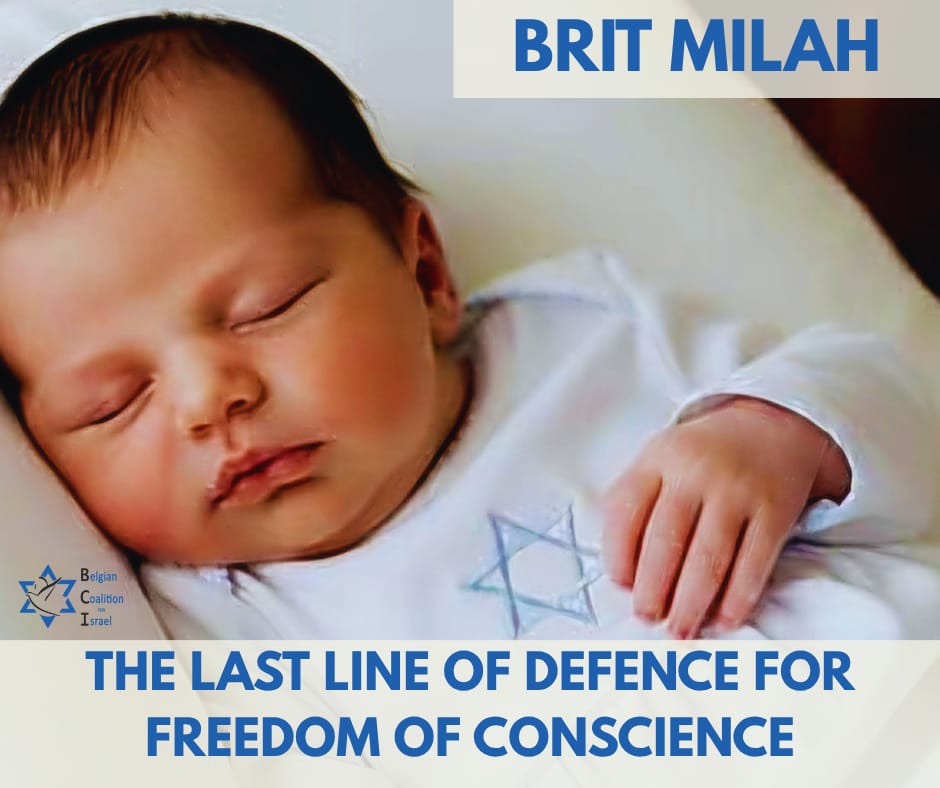
Brit Milah: the last line of defence for freedom of conscience
Contemporary debate on religious traditions is once again focusing on the question of the body. Among ancient rituals, Brit Milah, the Jewish ritual circumcision performed on the eighth day after birth, has become the subject of particular scrutiny by Western rationalist movements. In Judaism, nonetheless, this act is neither a mere cultural custom nor an archaic superstition.
It constitutes the cornerstone of Jewish identity and of the unbreakable covenant with the Divine.
Yet, in an age characterised by individualism whereby the concept of civic neutrality is tending to become the absolute standard —and perhaps ultimately dogmatic— more and more voices are questioning the circumcision in the name of the rights of the child or of bodily integrity.
This reflection suggests not analysing Brit Milah as an outdated ritual but rather as an act of a major anthropological transmission, and to examine how it fits into the legal and philosophical structures of Belgium and the West.
The spiritual, anthropological and historical foundations.
To understand the true significance of Brit Milah, it is necessary to move beyond a purely technical approach. It may, however, be increasingly difficult for twenty-first-century man to rise above a purely material understanding. Be that as it may,
within Jewish thought—and indeed throughout the monotheistic tradition—the body is not a neutral material envelope: it is the very vehicle of holiness and moral conscience.
The sign of the eternal Covenant.
Circumcision, instituted by the Patriarch Abraham, is explicitly described in the Book of Genesis as “the sign of the covenant” between the Creator and the descendants of Abraham. By placing this sign upon the child’s body, the parents incorporate the newborn into an unbroken chain of successive generations. It is an act of welcome that connects biological existence with a unique spiritual history.
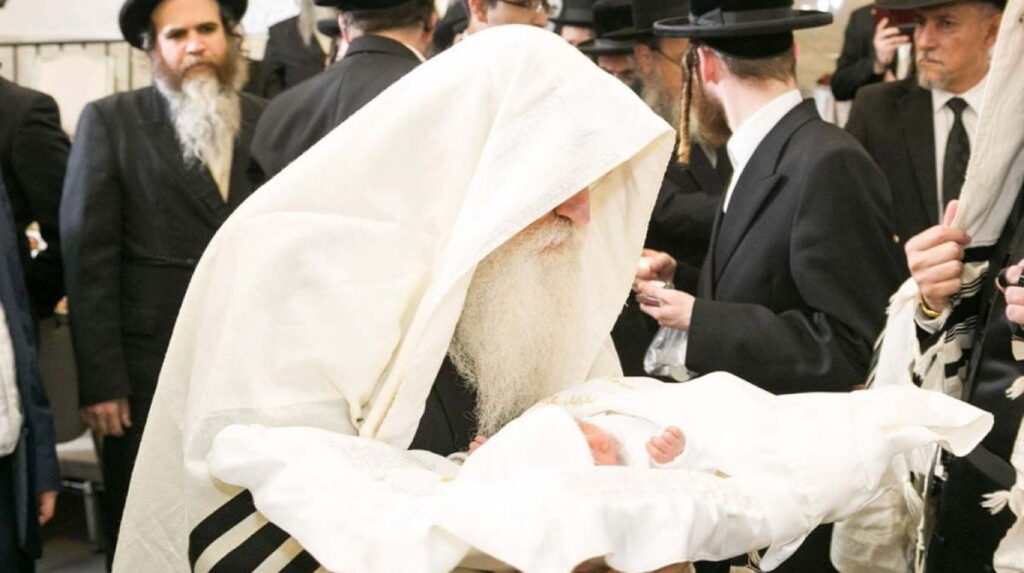
“This is My covenant, which you shall keep, between Me and you and your descendants after you: every male among you shall be circumcised. You shall circumcise the flesh of your foreskin, and it shall be the sign of the covenant between Me and you. Every male among you who is eight days old shall be circumcised throughout your generations, whether born in your household or bought with money from any foreigner who is not one of your descendants.” Genesis 17:10–12
The philosophy of human perfection.
An important philosophical argument developed in Talmudic literature, answers the objection that circumcision alters nature: God deliberately created both the world and mankind incomplete. Human beings have been entrusted with the task of becoming partners with the Creator in bringing creation to completion (Tikkun Olam). Circumcision symbolises this ethical responsibility: raw nature must be elevated and humanised through conscious and moral action.
An act of identity-based resistance.
History shows that circumcision has often been targeted by centralising or totalitarian powers seeking forced assimilation. From the decrees of Antiochus IV Epiphanes (215–164 BC) during the Hellenistic period to the strict prohibitions imposed under the Soviet regime in the twentieth century, Brit Milah was repeatedly suppressed.
Under Stalin’s regime, traditional circumcisers (mohalim) risked persecution by the state apparatus, while Enver Hoxha’s regime in Albania explicitly prohibited the practice in the 1967 Constitution.

The preservation of this ritual has therefore, throughout history, constituted an important act of spiritual resistance aimed at safeguarding the continuity of Jewish identity.
The Pauline perspective.
In today’s debate, some critics invoke the writings of the Apostle Paul in support of their position. A careful exegesis of Paul’s theology, however, demonstrates that he never opposed circumcision as such, but only its imposition upon non-Jews (the Gentiles) as a condition for salvation.
For Paul, circumcision remained the sign of election for the Jewish people.
During the Council of Jerusalem (Acts 15), the early apostles merely sought to avoid imposing the full body of Jewish law upon the Gentile nations. At no point was the legitimacy of Brit Milah for the descendants of Abraham called into question.
Philosophical issues.
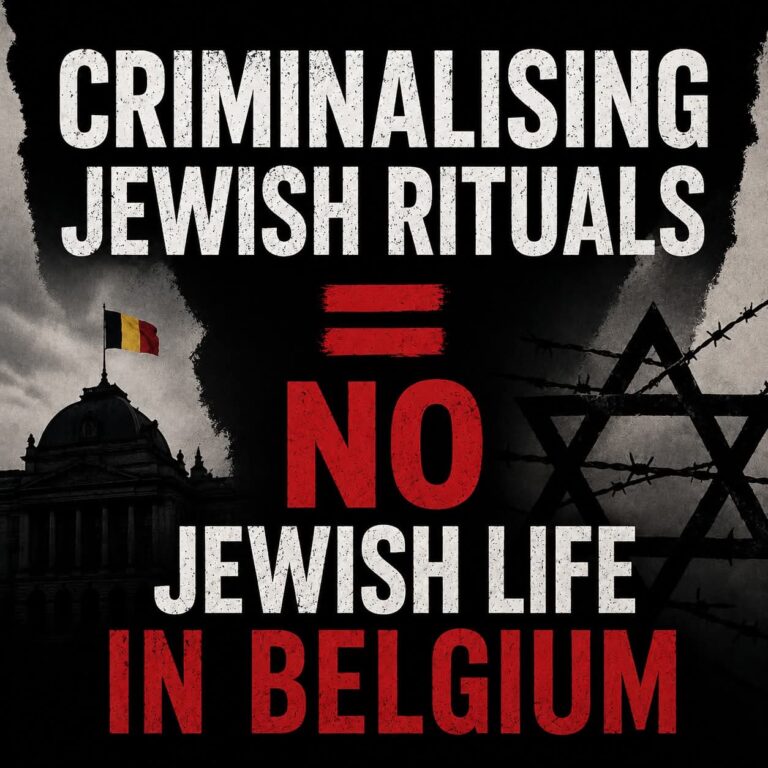
Contemporary criticism of circumcision is based primarily on concepts drawn from bioethics and individual rights.
The objection of consent.
The argument most frequently advanced by movements opposed to ritual circumcision is that a child is incapable of giving consent. Performing an irreversible physical intervention would therefore constitute a violation of the child’s future autonomy.
From an anthropological perspective, however, this argument conflicts with the very reality of parenthood, which essentially consists in making fundamental choices for one’s child from birth onwards, including the language in which the child is raised, the cultural environment, education, and philosophical or religious upbringing. Such choices shape, to a greater or lesser extent, the child’s identity and worldview in a lasting way.

From the traditional perspective, this transmission is therefore not regarded as an infringement upon autonomy,
but rather as the offering of an initial narrative and a framework of values from which the individual may later make his or her own choices.
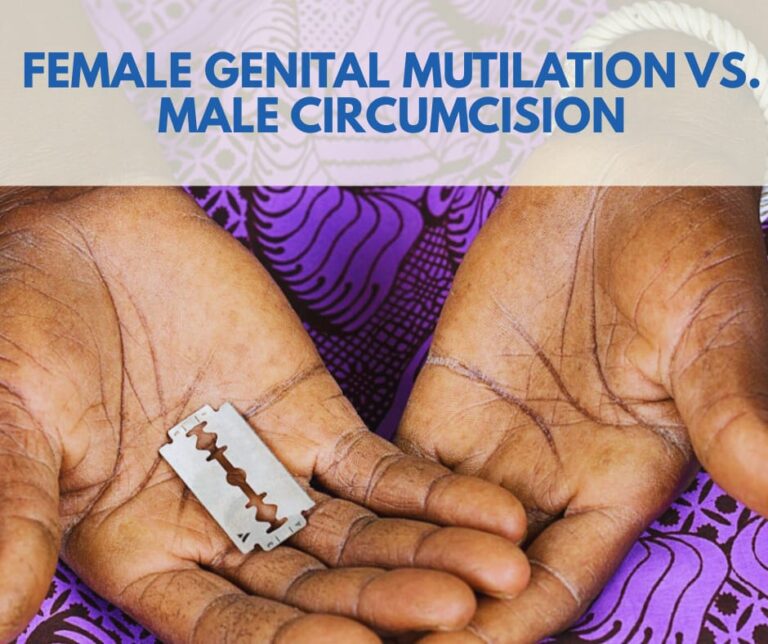
The comparison with female genital mutilation
A parallel is sometimes drawn between male circumcision and female genital mutilation with a view to advocating a similar legal prohibition. Medical authorities reject this comparison.
Female genital mutilation results in severe damage to or destruction of the female sexual organs and is associated with serious, often chronic, medical complications.
Male circumcision, by contrast, leaves the overall integrity of the reproductive system and sexual function intact.
The Belgian context.
Belgium has a vibrant philosophical and legal debate concerning the place of religious rituals in both the public and private spheres.
The model of organised secular humanism.
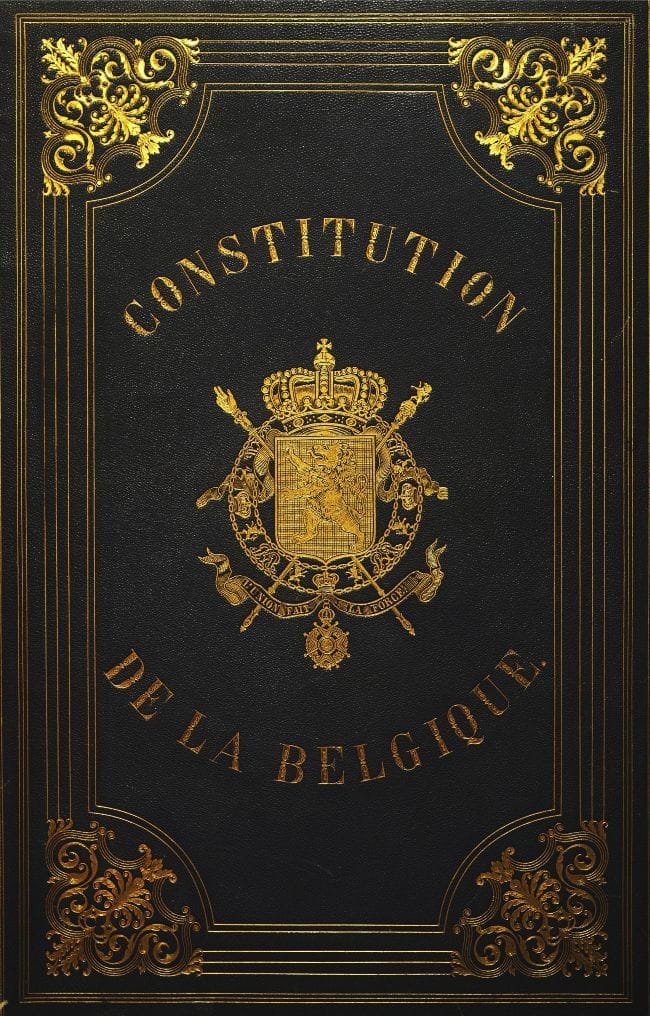
Belgium has a unique institutional structure. Pursuant to Article 181 of the Constitution, organised non-confessional secular humanism enjoys legal and financial recognition on an equal footing with the officially recognised religions.
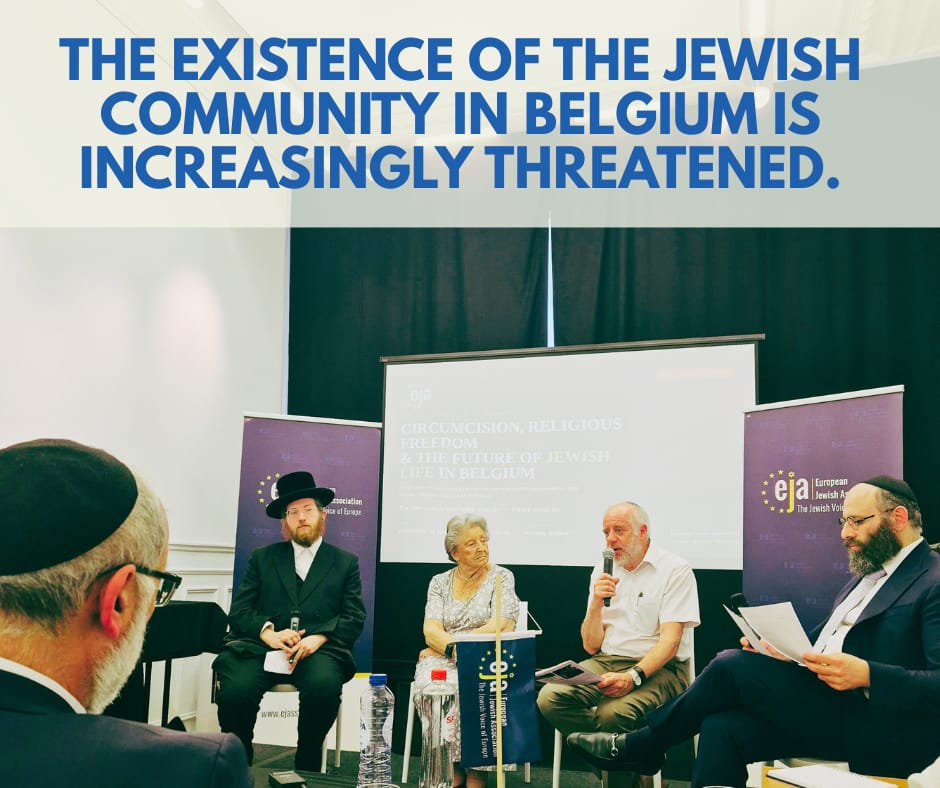
This model safeguards philosophical pluralism. Nevertheless, political disagreements arise on a regular basis. Certain currents within militant secular humanism advocate a strictly neutral public sphere and therefore question ritual traditions or the presence of religious education in state schools. Against this background, religious communities have, not without reason, expressed concern about a possible restriction of ritual freedom, particularly since the ban on slaughter without prior stunning introduced by the Flemish and Walloon Parliaments.
It should be recalled that secular humanism, in its original and noble meaning, seeks precisely to create a social environment in which every citizen, regardless of his or her philosophical convictions or religious background, can participate fully in public life with dignity, equality, and without any form of stigmatisation.
The constitutional framework as a safeguard.
Despite the ethical and social debates, freedom of religion remains protected under the Belgian Constitution. Article 19 provides:
“Freedom of worship, its public exercise, and the freedom to express one’s opinions on all matters are guaranteed, without prejudice to the punishment of offences committed in the exercise of these freedoms.”
Belgian case law therefore regards the practice of traditional family religious rituals as being protected by this constitutional provision, provided that they comply with the general laws of the country and with public order.
The position of the Belgian rabbinical authorities.
In Belgium, the representative Jewish institutions, in line with the positions of the Chief Rabbis, including the former Chief Rabbi of Brussels, Albert Guigui, defend the legitimacy of Brit Milah on the basis of the constitutional balance between freedom of religion and the rule of law.
Their argument is based on the fact that circumcision is not a secular or cosmetic procedure, but a fundamental religious commandment that has been practised peacefully and respectfully for centuries. At the same time, the religious authorities emphasise the importance of strict compliance with modern medical and hygienic standards so that the procedure is performed under the safest possible conditions.
The democratic model.
Most Western democracies protect and regulate ritual circumcision on the basis of the principles of fundamental freedoms and the protection of minorities.
Comparison of legislation.
United States
Ritual circumcision is generally accepted and protected under the First Amendment to the Constitution, which guarantees freedom of religion, as well as under the right to family privacy.
Germany
Following a legal controversy in 2012, the German Bundestag clarified the legal position by adopting Section 1631d of the German Civil Code. This provision expressly permits the circumcision of minor boys for religious reasons, provided that the procedure is carried out in accordance with accepted medical standards and with appropriate pain management.
Sweden
The Swedish Circumcision Act of 2001 regulates the performance of ritual circumcision. It provides that the procedure must be carried out by a physician or under the supervision of qualified medical personnel, with local anaesthesia being mandatory.
The international legal framework.
The protection of religious rituals is based on several international treaties.
- Article 18 of the Universal Declaration of Human Rights and Article 9 of the European Convention on Human Rights guarantee the freedom to profess a religion or belief and to manifest it through worship, rituals and religious practices.
Article 18 of the International Covenant on Civil and Political Rights recognises the right of parents to raise their children in accordance with their religious or philosophical convictions.
- In October 2013, following initiatives within the Parliamentary Assembly of,
the Council of Europe that questioned the legitimacy of ritual circumcision, it was reaffirmed that freedom of religion also extends to historical and traditional religious rituals.
The medical perspective.
Although Brit Milahis motivated exclusively by spiritual considerations, the health aspects of male circumcision are regularly examined in scientific research.
Positions of health authorities.
The World Health Organization (WHO) and the American Academy of Pediatrics (AAP) recognise that male circumcision may offer medical and preventive benefits. Following an evaluation of the available clinical evidence, the AAP concluded that,
the benefits of newborn circumcision outweigh the risks.
At the same time, it emphasises that the final decision rests with the parents, taking into account their religious, cultural and personal convictions.
Epidemiological data.
Public health studies point to several potential benefits:
- A lower risk of urinary tract infections in infants during the first year of life.
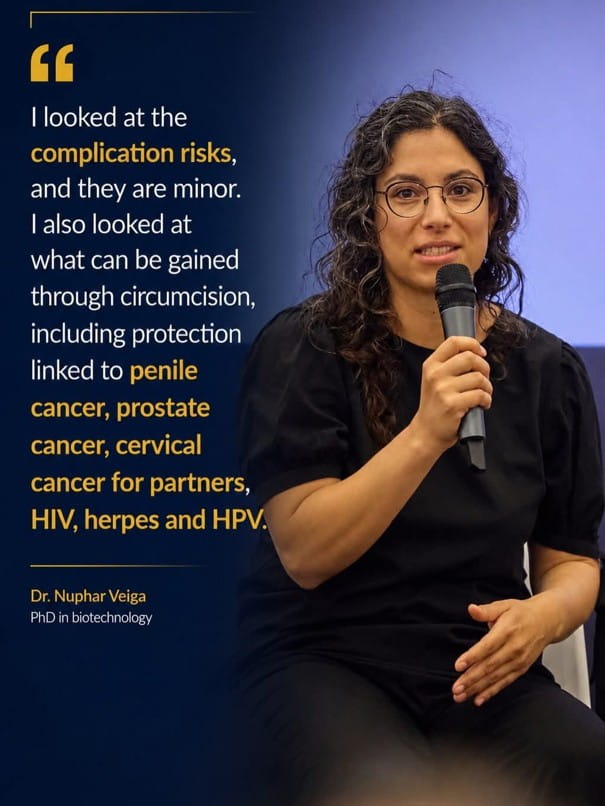
- A significant reduction in the risk of heterosexual transmission of HIV and certain sexually transmitted infections, including the human papillomavirus (HPV).
- A lower incidence of penile cancer in men and cervical cancer in female partners.
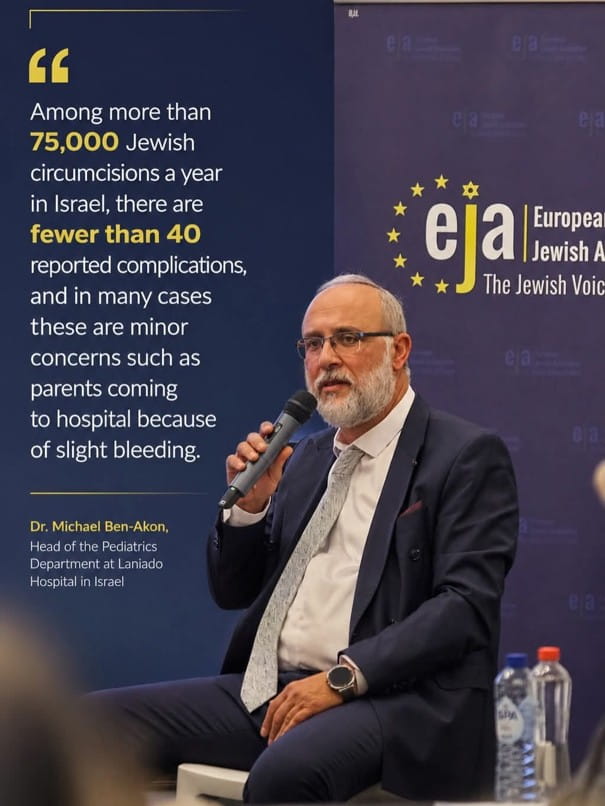
In addition, Brit Milah is nowadays performed in accordance with strict medical and hygienic guidelines. Where appropriate, local anaesthetics are used to minimise pain during the pConclusion.
Conclusion.
The Brit Milah remains a fundamental pillar of the continuity of Jewish identity.
In Belgium, the assessment of this practice cannot be reduced to a dogmatic opposition between religion and secularism.
It requires a balanced weighing of fundamental rights, including freedom of religion, the rights of parents and the protection of minorities.
Respect for the Belgian Constitution and international treaties guarantees that families can live and pass on their religious convictions, provided that the applicable health and safety regulations are complied with. In this way, the pluralistic and tolerant character of the democratic constitutional state is preserved.
From this perspective, the Brit Milah constitutes a legitimate religious practice.
As soon as the health and safety regulations are complied with, the continued wish to prohibit the Brit Milah can, according to the author, only be explained by ideological motives: anti-religious, antisemitic, or both anti-religious and antisemitic motives.
Finally, when a single religion is threatened in its most significant and sacred ritual, all beliefs, whether religious or philosophical, are threatened in their values and even in their very right to exist.
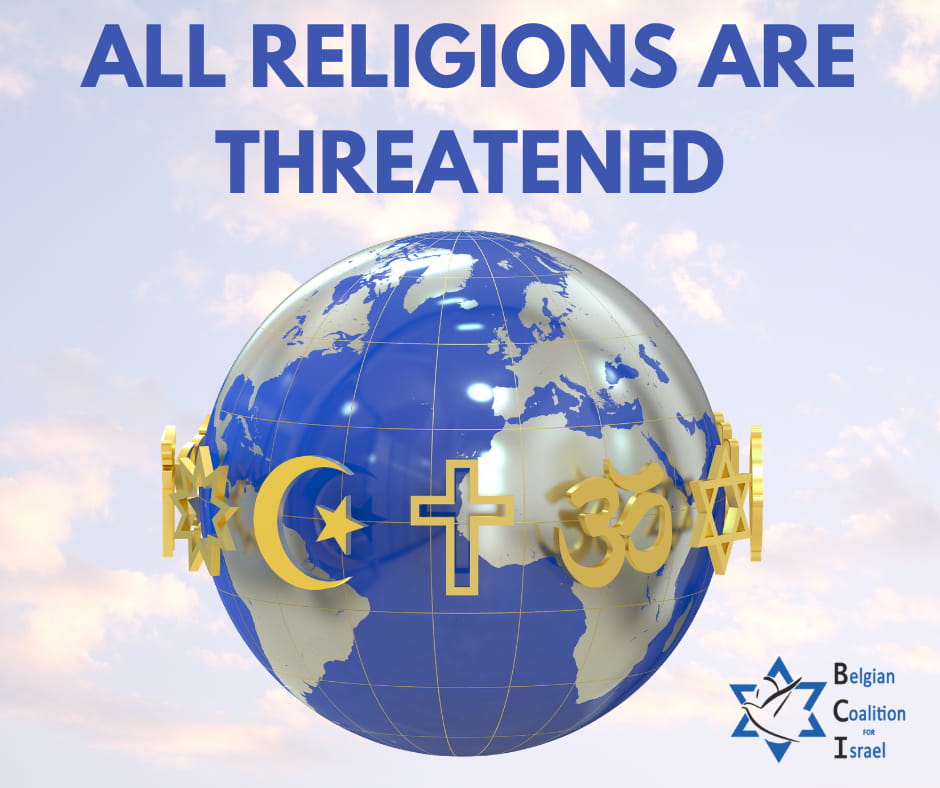
Disguised in children’s freedom protection, a new form of dictatorship is emerging: the dictatorship of consciences.

Hector Cornet d’Auquier on behalf of the Belgian Coalition for Israel